
Published 11 Mar 2026
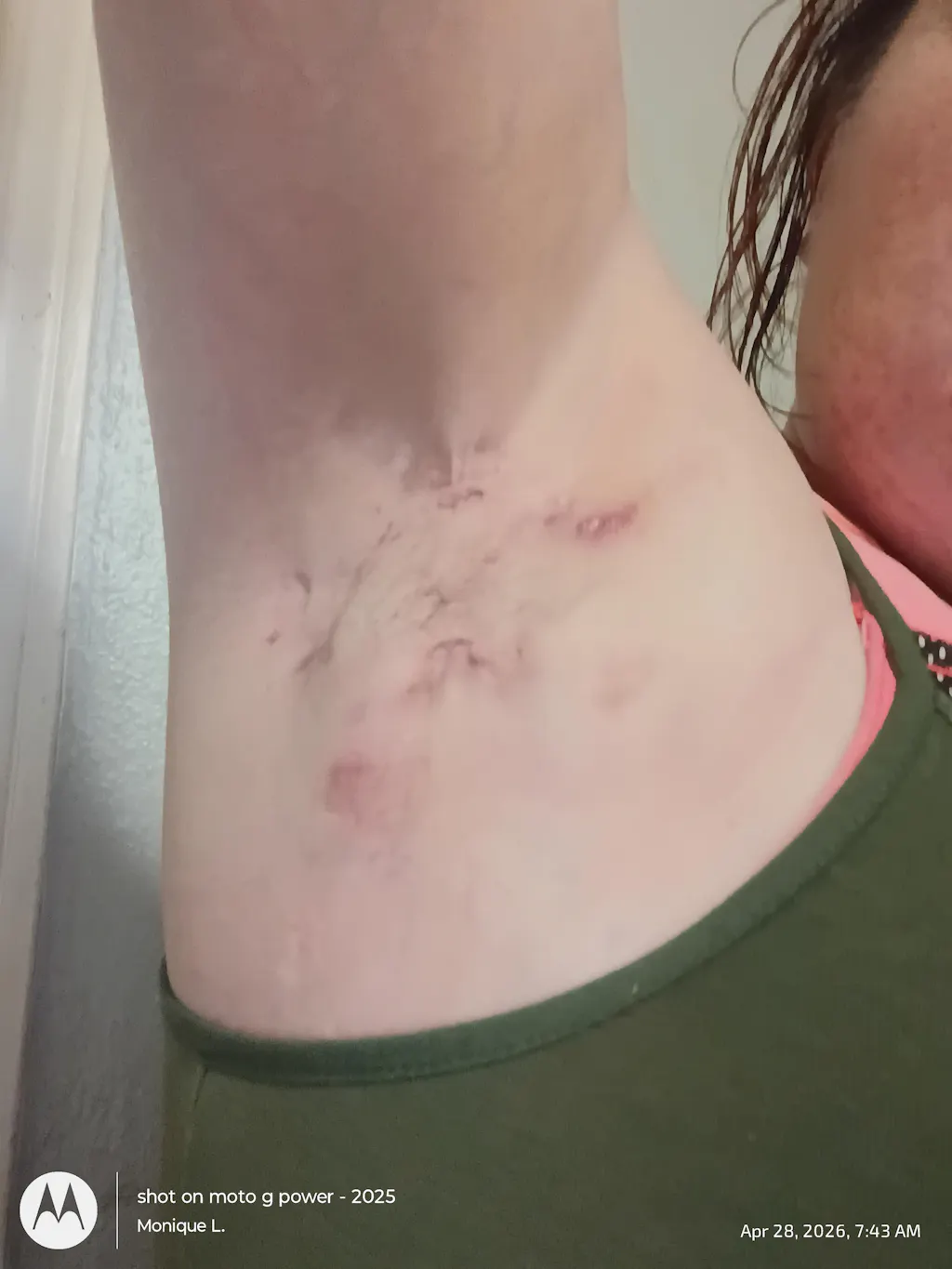
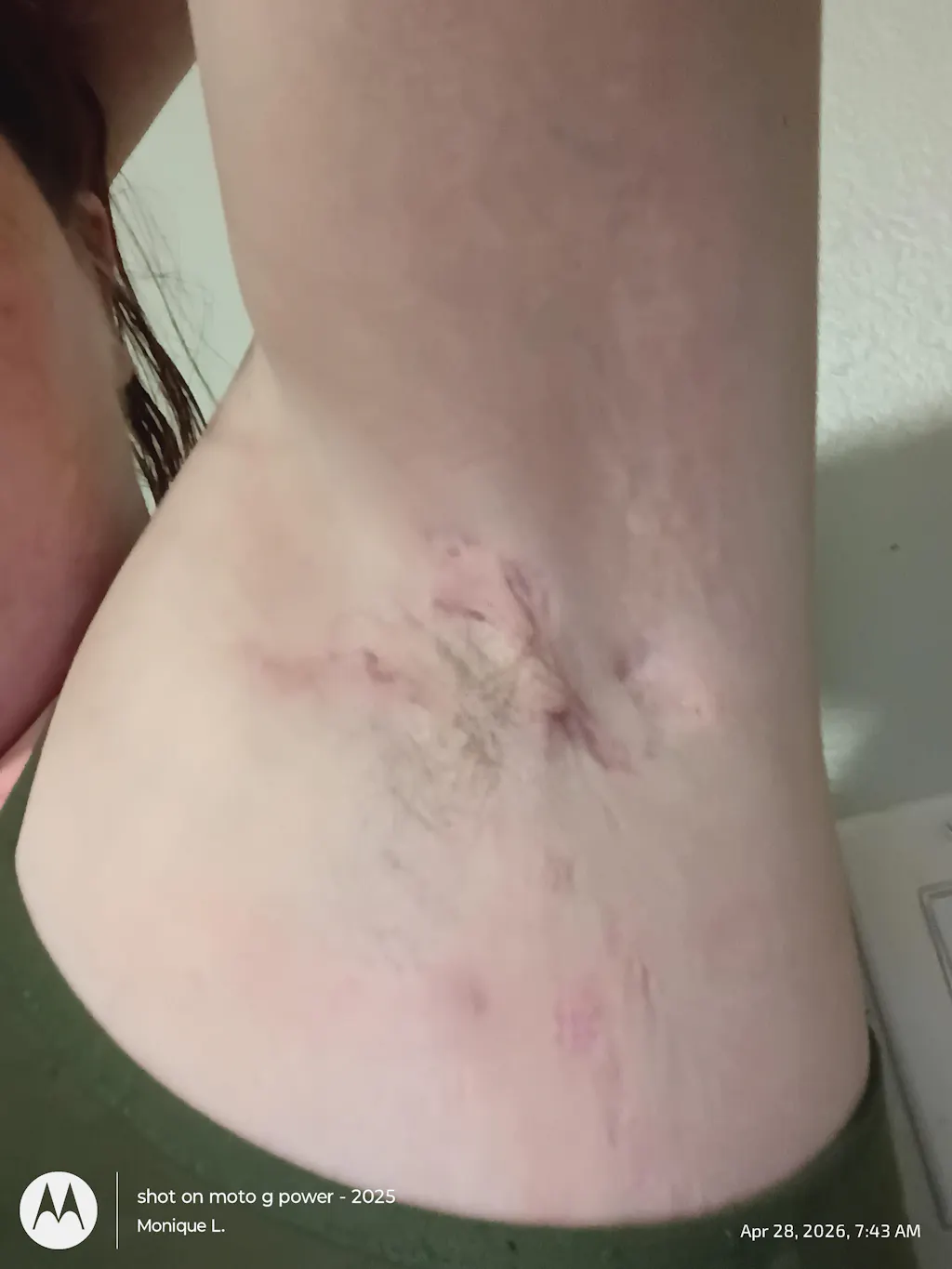
What Does Hidradenitis Suppurativa (HS) Look Like?


Table of Contents
Introduction HS in dermatology HS – Stage 1 HS – Stage 2 & 3 Triggers What helps with HS Natural approachIntroduction
If you’re reading this you’ve probably noticed something under your skin that doesn’t feel right. Maybe it started as a small bump or looked like a pimple at first, so you didn’t think much of it. But then it didn’t go away. Or it came back.
And now you’re Googling at midnight trying to figure out what the hell is happening to your skin, because nobody warned you about this, and it sure doesn’t look like the “normal acne” everyone keeps telling you it is.
Let’s talk about what does HS look like in real life, not the sanitized medical textbook version but the actual day-to-day experience of living with it. We’ll cover the early signs, how it progresses, what triggers flare-ups, and most importantly, what actually helps when you’re dealing with painful lesions.
What Is HS in Dermatology?
Hidradenitis suppurativa is a chronic inflammatory skin condition that affects hair follicles in areas where skin rubs against skin. Think armpits, groin, under your breasts, inner thighs, and buttocks. Basically, all the spots where friction happens daily.

And what is HS skin doing when this condition shows up?
Your immune system is overreacting to blocked hair follicles, triggering inflammation that creates painful lumps, abscesses, and sometimes tunnels under your skin. It’s not an infection, even though it can look and feel like one.
Here’s the frustrating part, “what is HS” in dermatology gets misdiagnosed constantly. Doctors mistake it for regular acne, ingrown hairs, boils or even sexually transmitted infections, especially in the early stages when it’s just showing up as isolated bumps. Some people go years without a proper diagnosis because their symptoms get brushed off as “just bad skin” or “you need to lose weight.”
But HS is different. It’s persistent, it comes back in the same locations, and it doesn’t respond to typical acne treatments. Once you know what you’re looking at, the pattern becomes pretty clear.
What Does HS Look Like in the Beginning?
In the early stages (stage 1), HS can be sneaky because it mimics other skin issues. You might notice deep, tender nodules under your skin that feel firm to the touch, almost like marbles. They’re not your typical pimples that come to a white head after a few days. These stick around. They hurt, and they show up in places where you wouldn’t normally get breakouts, like deep in your armpit or along your inner thigh. Here are the early warning signs that what you’re dealing with might be HS:
- Deep, painful lumps that don’t come to a head like regular pimples.
They sit under the surface and throb when you move or touch the area. - Bumps that keep coming back in the exact same spots.
If you’re getting recurring “boils” in your groin or underarms, that’s a red flag. - Tender nodules that don’t respond to acne treatments.
You’ve tried benzoyl peroxide, salicylic acid maybe even antibiotics for acne… and nothing changes. - Lesions that feel like hard balls under your skin.
They’re not soft or fluid-filled at first; they’re solid and angry.
What does HS look like visually at this stage? On lighter skin tones, you’ll see reddish or pink bumps. On darker skin, they might appear purplish or darker than your surrounding skin tone. This difference in appearance is one reason why HS gets missed in people with darker complexions… the inflammation doesn’t always show up as bright red.
Even at this early stage, HS is trying to tell you something. The sooner you catch it and get proper treatment, the better your chances of preventing it from progressing to more severe stages.
What HS Skin Looks Like as It Gets Worse

Stage 2 HS:
In moderate HS, those isolated nodules you had in Stage 1 start growing and joining together. And what is HS skin doing now? It’s creating abscesses, which are basically painful, fluid-filled lumps that can get as big as golf balls under your skin. These abscesses have a nasty habit of breaking open. When they do, they leak blood, pus or clear fluid. It’s messy, and it hurts like hell. You might find yourself constantly changing bandages or avoiding certain clothes because you never know when one might rupture.
Here’s where it gets worse… as these abscesses repeatedly heal and break open again, your skin starts forming scars and tunnels underneath the surface. Dermatologists call these tunnels “sinus tracts,” and they’re basically pathways connecting different lesions under your skin. You can’t see them but you can definitely feel them.
Stage 3 HS:
Severe HS happens when the condition has been going unchecked for a long time. You’ll have widespread lesions, extensive scarring, and multiple tunnels covering entire areas like your armpits or groin. At this stage, you might always have active abscesses. The pain becomes constant, scarring can be thick, ropy, and uncomfortable. Movement gets restricted because the affected areas are so inflamed and tender.
People with Stage 3 HS often need a combination of biologic medications and surgery to manage the condition. The tunneling and scar tissue have to be physically removed because topical treatments can’t reach that deep.
What triggers HS flare-ups?
Understanding what is Hidradenitis Suppurativa caused by helps but honestly, scientists still don’t have all the answers. What they do know is that HS involves your immune system attacking your hair follicles, combined with inflammation that spirals out of control. But even if we don’t know the exact root cause, we definitely know what triggers HS and makes it worse:
- Friction from tight clothing or repetitive movement.
If your jeans are constantly rubbing your inner thighs or your bra straps dig into your underarms, that constant irritation can trigger new lesions. - Hormonal changes.
Your menstrual cycle, pregnancy, stress, and even going on or off birth control can all mess with your hormones and spark flare-ups. - Heat and excessive sweating.
Summer is brutal for a lot of people with HS. The combination of sweat and heat creates the perfect storm for inflammation. - Certain foods.
This one’s controversial because it’s not universal but many people find that dairy, sugar, processed foods or nightshades make their HS worse. It’s worth experimenting with an elimination diet if you suspect food triggers. - Smoking and tobacco use.
If you smoke, your risk of developing HS is higher, and your symptoms are likely to be more severe. Nicotine messes with your immune system and delays healing. - Excess weight and obesity.
More skin folds mean more friction. It’s not about blame… it’s just mechanics. Losing weight can reduce flare-ups for some people. - Stress and lack of sleep. Your immune system goes haywire when you’re stressed or sleep-deprived, which can absolutely trigger HS activity.
Knowing your personal triggers is half the battle. Once you figure out what sets off your flare-ups, you can start avoiding those landmines.
What helps with HS?

If you’re experiencing painful nodules, recurring abscesses or other HS symptoms, it’s important to get it looked at early.
Because HS doesn’t just go away on its own and waiting only makes it harder to manage.
Get to a Dermatologist
First step: see a dermatologist who actually knows what HS is. Not all of them do. You might need to advocate for yourself, especially if your first doctor tries to brush it off as acne or tells you to “just lose weight.” A good dermatologist will assess your stage and create a treatment plan. For mild HS, that might mean topical antibiotics or anti-inflammatory washes. For moderate to severe cases, you’re looking at:
- Antibiotics to control bacterial overgrowth and reduce inflammation
- Biologic medications like Humira, Cosentyx or Bimzelx that target the immune response causing your flare-ups
- Surgery to remove tunnels, drain large abscesses, or excise scar tissue in advanced cases
Daily Management Tips
Between medical treatments, what helps with HS day-to-day? Small adjustments can make a big difference:
- Wear loose, breathable clothing.
Tight fabrics create friction and trap sweat, both of which aggravate HS. Opt for cotton and give your skin room to breathe. - Keep affected areas clean and dry.
Gentle cleansing with a mild antibacterial wash helps but don’t scrub aggressively or you’ll make the inflammation worse. - Don’t pick, squeeze, or try to pop your lesions.
I know it’s tempting, especially when you have a painful lump that feels like it needs to drain. But forcing it can push infection deeper and create more scarring. - Use warm compresses to ease pain.
A clean, warm cloth held against an active lesion can reduce discomfort and help it drain naturally if it’s ready.
A natural approach to HS flare-up relief

Medical treatment is essential for managing HS long-term. But when you’re in the middle of a painful flare-up, you need something that works right now to calm the inflammation and support your skin’s healing process.
That’s where natural, targeted skincare comes in. Universal Flare Care is a surgeon-developed topical salve specifically formulated for painful, inflamed skin conditions like HS. It’s not a replacement for medical treatment but it’s designed to give you relief when you’re dealing with active HS boils or cysts that are making your life miserable. Here’s what it does:
Soothes Pain and Inflammation Fast
When you have an angry, throbbing lesion, you need something that calms it down quickly. Universal Flare Care works to reduce redness, swelling, and that aching pain that makes it hard to move or sleep.
Supports Your Skin’s Natural Healing Process
HS lesions take forever to heal on their own, and the constant inflammation keeps re-injuring the tissue. This formula creates a protective micro-environment around the affected area, giving your skin the support it needs to actually repair itself instead of breaking down and scarring repeatedly.
Natural Ingredients
There are no harsh chemicals, fragrances that sting or ingredients that irritate already-angry skin. Just clean, clinically-studied actives that get to work.
How Universal Flare Care Works
The magic is in the mechanism. This isn’t just a generic ointment… it’s a precise blend of natural ingredients chosen for their ability to heal inflamed, wounded skin.
Together, these ingredients create what the formula’s developer calls a “healing micro-environment.”
- Stage 1: Relieves Pain: Egg yolk extract and propolis activate skin healing and soothe discomfort.
- Stage 2: Calms: Propolis and natural lipids actively heal the skin and calm inflammation.
- Stage 3: Protects: Universal Flare Care works to restore the skin barrier and protects against flare-ups.
Real Results from Real People

These aren’t miracle stories. They’re what happens when you give inflamed, wounded skin exactly what it needs to heal.
Learn more about how Universal Flare Care works for HS and other skin flare-ups. If you’re dealing with painful HS flare-ups right now, this might be worth exploring as part of your care routine alongside your medical treatment. It’s not about replacing what your dermatologist prescribes… it’s about giving yourself extra support when you need it most.

Conclusion
HS looks different at every stage, from those first confusing bumps to the extensive scarring and tunneling that happens when it’s been left untreated for too long.
The earlier you catch it, the better your chances of keeping it manageable. Don’t wait for it to progress.
So if you’re seeing recurring lumps in the same spots, painful nodules that don’t respond to normal acne treatments or abscesses that keep coming back, get to a dermatologist who understands HS.
And while you’re working with your doctor on a long-term treatment plan, don’t underestimate the power of targeted natural support.
When your skin is inflamed and painful, giving it the right tools to heal can make all the difference between suffering through flare-ups and actually getting relief.
You’re not stuck with this forever. The sooner you understand what you’re dealing with, the sooner you can take control.
Talk to a dermatologist. Explore supportive care options like Universal Flare Care. And most importantly, be kind to yourself. Living with HS is hard but you’re not alone in this.