




Published 20 Apr 2026
Why Do I Have Keratosis Pilaris (KP)?
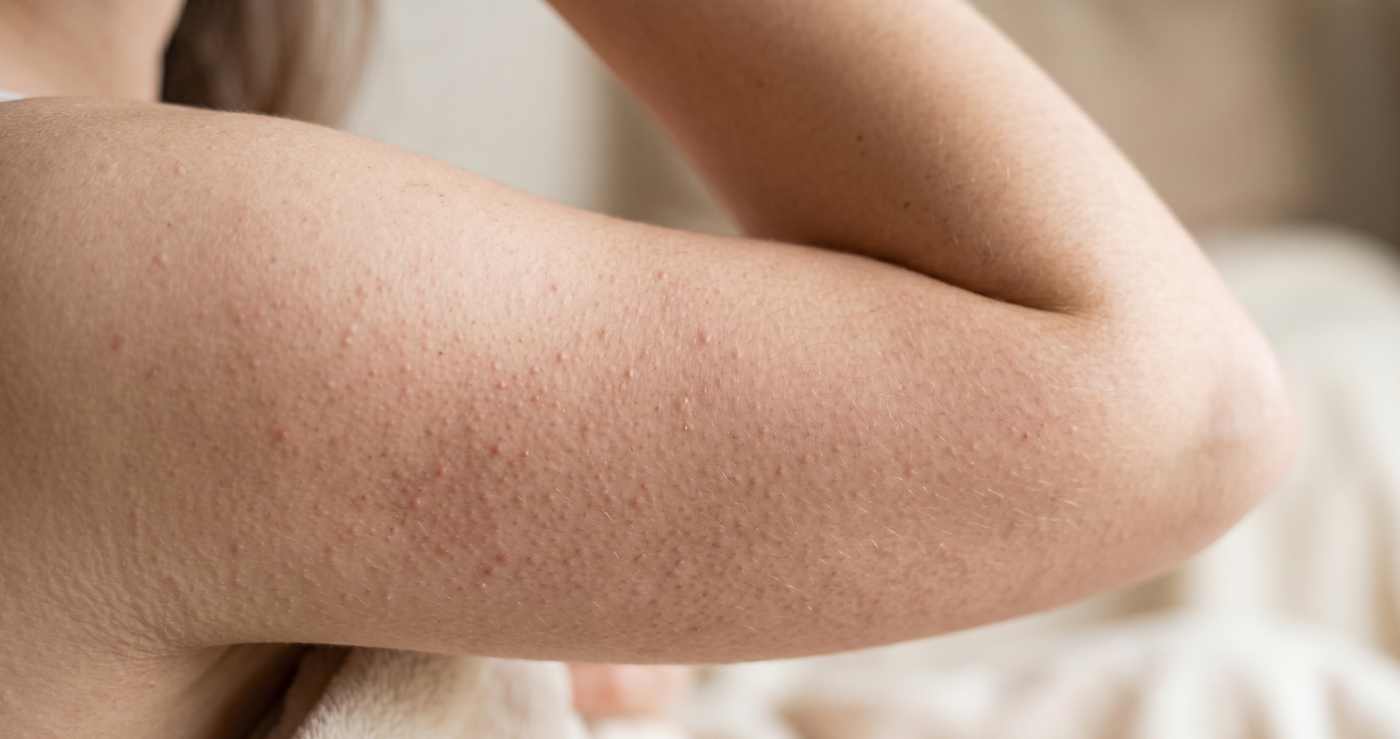
Table of Contents
Introduction What Is Keratosis Pilaris? What Causes Keratosis Pilaris? Why Does Your Skin Keep Producing These Bumps? What Helps Keratosis Pilaris Naturally? Which Essential Oil Is Good for Keratosis Pilaris? Thyme & Tea Tree Flare Care for KP-Prone Skin The TakeawayIntroduction
Have you been told those rough bumps on your arms are completely harmless... as if knowing that is supposed to end the conversation?
Those bumps have a name. Keratosis pilaris. And even though it affects nearly half the population, most people are sent home with no real explanation and no real plan.
If you have scrubbed those bumps until your skin felt raw and they came straight back within days… tried every moisturizing lotion on the shelf and the texture still will not shift… you are done guessing and want to finally understand what your skin is actually doing and why...
Then you are in the right place. Imagine running your hand down your arm and feeling smooth skin. Wearing what you want without thinking twice. That starts with understanding why you have keratosis pilaris in the first place.
What Is Keratosis Pilaris?
Your skin produces a protective protein called keratin. In most areas of the body, it builds up and sheds in a steady cycle without you ever noticing.
But in KP-prone skin, that cycle breaks down. The keratin overproduces and instead of shedding the way it should, it accumulates inside your hair follicles.
The follicle gets blocked, a bump forms and the texture you see every day is exactly that... thousands of plugged follicles sitting just under your skin's surface.
It is not contagious. It is not caused by poor hygiene. It is not a sign that you are doing something wrong in your skincare routine.
Keratosis pilaris is far more common than most people realise, especially amongst adolescents and adults… which means there is a strong chance someone else in your family has it too.
It commonly shows up most on the backs of the arms, the thighs, the buttocks and sometimes the cheeks.
What Causes Keratosis Pilaris?
You came here because you want to know why your skin behaves this way. Here is the real answer.
Your body has a tendency to overproduce keratin in certain follicles. That overproduction is not random and it does not happen equally to everyone. Specific factors make it more likely in your skin... and make it noticeably worse when they are present.
Common Triggers That Make KP Worse
- Genetics... if a parent or sibling has KP, your skin is significantly more likely to do the same thing. It runs in families, which means it started before you ever picked up a loofah.
- Dry skin... when your skin loses moisture, keratin builds up faster and the bumps become more pronounced. This is why KP tends to get worse in winter.
- Hormonal shifts... your menstrual cycle, puberty, and pregnancy all affect how your skin produces and sheds cells. Flare-ups that track alongside hormonal changes are common and documented.
- Cold, dry climates... low humidity strips moisture from your skin and accelerates keratin accumulation. The seasonal pattern many people notice is directly tied to this.
- Conditions like eczema or asthma... people with either of these have a higher likelihood of developing KP and often find it harder to manage.
None of these are things you caused or could have avoided. KP is a skin tendency you were born with, not a product of bad habits. Understanding that is not just reassuring... it actually changes how you approach it.
Why Does Your Skin Keep Producing These Bumps?
Understanding why you have KP also means understanding why the follicle behaves the way it does. Your skin has a keratin production and shedding cycle that most people never notice.
In KP-prone skin, that cycle is disrupted at the follicle level. The keratin does not shed on schedule. It accumulates. The follicle stays blocked. The bump stays put.
This is also why surface-level approaches rarely change anything long term. Scrubbing harder, hot showers, exfoliating washes... these address what is sitting on top of your skin, not what is building up inside the follicle. The bump returns because the follicle environment has not changed.
What actually changes the picture is addressing the follicle directly: consistent antimicrobial support that keeps the environment calm, combined with hydration that softens the keratin buildup from the inside out. Both together. That is the approach your skin is asking for.
What Helps Keratosis Pilaris Naturally?
Now that you understand what is happening, you can approach your skin differently.
Your follicles need two things working together: something that controls bacteria and calms inflammation at the follicle level, and something that hydrates deeply enough to soften the buildup without clogging or stripping the barrier.
This is exactly why essential oils for keratosis pilaris have become a real and growing conversation in natural skincare.
Not because they are a cure... there is no cure for KP. But because the right oils target both of those needs simultaneously in a way that most conventional products do not.
What to look for in a KP routine:
- Antimicrobial action that works at the follicle level, not just the skin surface
- Deep hydration that softens keratin buildup without blocking your pores
- Twice-daily application... results come from consistency, not occasional use
- Ingredients that support and protect your skin barrier rather than strip it away
Which Essential Oil Is Good for Keratosis Pilaris?

Not every essential oil for KP addresses what is actually happening inside your follicles. Two stand out specifically for what KP-prone skin needs.
Thyme essential oil is rich in thymol, a proven natural antiseptic. It fights bacteria directly at the follicle, reduces redness and swelling, and actively supports your skin's recovery process. It does not just sit on the surface... it works on the environment where the problem is forming.
Tea tree essential oil contains terpinen-4-ol, which is both antimicrobial and antiseptic. It calms active inflammation, purifies the follicle, and helps break the recurring cycle that keeps bringing those bumps back.
For KP on the thighs, bikini line, or buttocks... areas where friction and bacteria are already elevated... this antimicrobial action is especially relevant.
Together they address the exact mechanism behind your KP. Not the texture you can see. The condition producing it.

Thyme & Tea Tree Flare Care for KP-Prone Skin
Everything above points to the same need. The conversation around keratosis pilaris and essential oils exists for a reason...
And the answer is a formula built around thyme and tea tree in a base that hydrates without aggravating and applied consistently to stubborn, recurring skin flare-ups.
Thyme & Tea Tree Flare Care from MyMagicHealer was made for exactly this. It was formulated specifically for deeper, stubborn flare-ups on the thighs, arms, buttocks, and bikini line... the exact areas where KP tends to be most persistent.

It brings thyme essential oil and tea tree essential oil together in a base of grapeseed and olive oils, beeswax, and egg yolk extract... delivering antimicrobial action, barrier-safe hydration and skin-regenerating nutrients in every application.
The formula is rooted in a surgeon-passed-down recipe trusted for generations, built for daily use. You apply it morning and night directly to affected areas.
For deeper spots, the Gauze Method keeps it working through the night. No prescriptions needed. No harsh actives. No stripping your skin to try and scrub the problem away.
Many customers in our community report the same things: bumps that shrink, redness that calms, and skin that finally feels protected rather than irritated... often within the first few days of consistent use. And the results do vary from person to person.
Trusted by over 500,000 customers who were tired of the cycle and needed something that worked.
Learn more about Thyme & Tea Tree Flare Care and how it supports KP-prone skin.
The Takeaway
You have KP because your skin has a genetic tendency to overproduce keratin in certain follicles. Hormones, dry skin, cold climates, and conditions like eczema can make it worse... but none of them are things you caused.
This has never been a hygiene problem or a skincare failure. It is a skin tendency you were born with, and understanding that changes everything about how you approach it.
The bumps are not going away through scrubbing harder or switching moisturizers every few weeks. What actually changes the picture is addressing the follicle directly.
Consistent antimicrobial support that keeps the environment calm, paired with deep hydration that softens the keratin buildup over time. Twice daily. Without stripping the barrier.
That is not a complicated routine. It is simply the right one.
Now that you know why your skin does this, you know exactly what it needs.

