




Published 20 Apr 2026
Propolis and Atopic Dermatitis Study
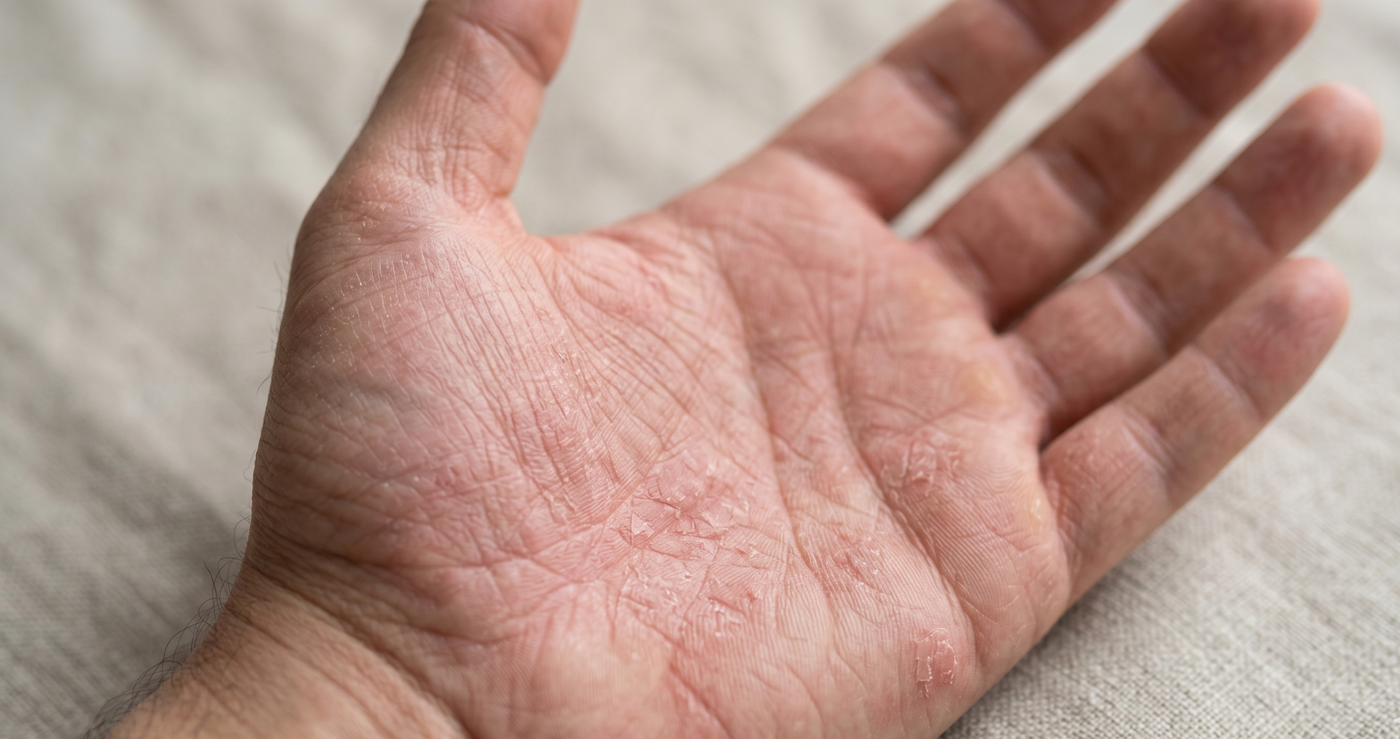
Table of Contents
Introduction What Is Propolis and Why Does It Matter for Your Skin Why Most Eczema Treatments Stop Working Over Time What the Propolis and Atopic Dermatitis Study Found How Propolis Helps With Eczema Inflammation Relief How to Use Propolis for Eczema-Prone Skin Every Day The TakeawayIntroduction
That steroid cream you reach for every time your skin flares? It was never meant to be used this long.
Read that again.
The most common eczema treatment dermatologists prescribe was designed for short bursts. A few weeks. Maybe a month. That's the window it was built for.
But you've been using it for how long now... six months? A year? Longer? And nobody told you that the longer you lean on it, the thinner your skin gets. The more fragile and the more likely your next flare hits harder than the last one did.
Skin thinning, stretch marks and rebound flares that show up angrier than the original. These aren't rare reactions hidden in fine print. They're well-documented consequences of long-term topical corticosteroid use. The limitation was always there. You just weren't warned about it.
And here's the part that makes it worse. You can't just stop.
You already know what happens when you try. The itch crawls back at 2 a.m. Your skin cracks open when you stretch your arm. That flare you thought was finally gone comes right back... same spot... like it never left.
You need something on your skin every single day. That's not negotiable. But what you've been given isn't holding up its end. Sound familiar?
A team of researchers at the University of São Paulo in Brazil wasn't chasing the next prescription. They were studying something bees make... a sticky, resinous substance called propolis.
They added trace amounts of it to a simple cold cream and tested it on real patients with atopic dermatitis. What they found shifts the conversation around propolis for eczema in a way that matters.
Disease severity dropped. Quality of life improved and the patients who used the propolis cream reported better results than anything else they'd tried before.
Most articles on this topic just recycle the same steroid advice you've already heard a hundred times. This one won't. What follows is what the research actually showed... and what it means for your skin going forward.
What Is Propolis and Why Does It Matter for Your Skin
Propolis is a resinous substance that bees collect from tree bark, leaves, and plant buds. They mix it with their own enzymes and pack it into the hive to seal cracks, regulate temperature, and keep bacteria and fungi from spreading.
That protective function is what caught the attention of researchers studying skin conditions. Propolis carries natural anti-inflammatory and antimicrobial properties that have shown up consistently across studies in wound care, immune support, and infection resistance.
Its key compounds include flavonoids like kaempferol and caffeic acid phenethyl ester (CAPE), both of which have been shown to modulate the body's inflammatory response.
For eczema-prone skin specifically, the connection is direct. Your skin is dealing with a damaged barrier, chronic inflammation, and a higher risk of bacterial infection all at once.
Propolis for eczema makes sense because its compounds speak to all three of those problems at the biological level. But the clinical data on eczema was thin for a long time.
That gap is what the Brazilian study set out to close.
Why Most Eczema Treatments Stop Working Over Time

This is a cycle you’re used to. Your skin flares, you apply the cream, and things calm down for a bit. Then the flare comes back, and the cream works a little less than it did last time.
This is the steroid treadmill.
Topical corticosteroids were built for short-term relief, not for months or years of daily use. Push past that window and the side effects start showing up... thinning skin, stretch marks, discoloration, and flares that rebound harder once you stop.
Calcineurin inhibitors are usually the next step. They skip some of the steroid-related risks, but they bring their own issues... burning, stinging, and a list of precautions that can feel just as limiting.
Through all of it, the dry skin eczema cycle keeps running. Your barrier stays compromised. The dryness stays. The itch stays. And you keep looking for something that actually holds.
If the standard playbook had a lasting answer, nobody would still be searching. The fact that millions of people keep cycling through the same prescriptions with the same results tells you everything you need to know about where conventional options fall short.
Something else needs to be in the mix.
What the Propolis and Atopic Dermatitis Study Found
The study (PMC8466707) came out of the University of São Paulo's Faculty of Pharmaceutical Sciences. It was a triple-blind, randomized trial... meaning the patients, the doctors, and the researchers were all kept in the dark about who received what.
Two versions of a cold cream were tested on atopic dermatitis patients over 60 days. One was a plain beeswax-based cold cream. The other contained a low concentration of green propolis extract.
The results told a clear story.
Patients who used the propolis cream showed decreased disease severity compared to the plain cream group. One patient went from severe atopic dermatitis to moderate... with noticeable improvement in both quality of life and skin hydration.
Across the propolis group, 80% of patients reported that the cream reduced their itching and improved hydration more than anything they'd used before.
On the lab side, things lined up just as clearly. Low concentrations of propolis for eczema... we're talking nanogram range... significantly reduced TNF-α levels in tested cells. TNF-α is one of the key inflammatory markers that drives eczema flares from the inside.
For anyone who's spent years rotating through the same options, this study suggests researchers may be getting closer to what many would call a real eczema healing ointment... one backed by clinical data instead of just label claims.

How Propolis Helps With Eczema Inflammation Relief
To understand why propolis made a difference in this study, you need to understand what TNF-α actually does to your skin.
TNF-α is a protein your immune system produces during inflammation. In eczema, it runs unchecked. It damages the lipid barrier, breaks down ceramides (the fats that lock moisture into your skin), and keeps the itch-scratch-flare cycle going in a loop that doesn't quit on its own.
The study showed that green propolis extract reduced TNF-α levels even at extremely low concentrations. And here's what surprised the researchers... lower doses performed better than higher ones. That means aggressive amounts aren't the answer.
A small, consistent presence of propolis was enough to make a measurable difference in eczema inflammation relief.
The cream also helped restore the structure of corneocytes... the flat, tightly packed cells that form the outermost layer of your skin. In eczema patients, these cells tend to be isolated and misshapen.
After 60 days of daily use, microscopy showed that corneocyte structure looked closer to what you'd expect from a person without atopic dermatitis.
So propolis didn't just calm the surface. It supported the barrier underneath. That's the difference between soothing irritated skin temporarily and giving it something it can actually rebuild with.
How to Use Propolis for Eczema-Prone Skin Every Day
The study used a propolis-loaded cold cream applied twice a day for 60 days. Patients kept using their prescribed medications... they only swapped out their usual moisturizer for the study cream.
That's a reasonable starting point if you're thinking about adding propolis to your daily eczema treatment routine.
When choosing a propolis-based topical, keep it simple. Short ingredient lists. No fragrance. No essential oils, especially if your skin reacts easily.
Consistency matters more than potency... the study showed results from low concentrations used daily, not from heavy doses used once in a while.
For dry skin eczema that flares often, a daily propolis-based balm can work as consistent skin support between flares... not a replacement for medical care, but a layer of daily protection your routine is probably missing right now.
Many customers in our community report that using a propolis-based balm as part of their daily routine helps soothe and calm the skin during a flare.

For those with extra-sensitive or easily irritated skin, the Universal Flare Care Essential Oil-Free is formulated with olive oil, beeswax, egg yolk extract, and propolis... designed as gentle, everyday skin support. You should know, results vary from person to person.
Please note:This product contains egg yolk extract. Always do a patch test before applying to larger areas, especially on areas like your underarms, inner thighs, groin, or under the breast. If your symptoms persist or worsen, consult a healthcare professional.
The Takeaway
The research out of São Paulo gives propolis something it hasn't had in the eczema conversation until now... a real clinical foundation.
Low concentrations of propolis reduced a key inflammatory marker behind eczema flares, improved disease severity in real patients, and helped restore the skin's outer barrier structure over 60 days of daily use.
Conventional options have their place, especially during severe flares. But they weren't designed for the long stretch... and your skin already knows that.
A propolis-based daily skin support routine offers a gentler path forward. One that works alongside your existing care instead of asking you to choose between short-term relief and long-term consequences.
If you've been stuck on the same cycle with nothing to show for it but thinner skin and the same flares on repeat, this research is worth paying attention to.
Talk to your healthcare provider. Patch test first, and ask yourself whether your current routine is actually supporting your skin... or just putting off the next flare.

