




Published 20 Apr 2026
Painful Ingrowns in the Bikini Area: What Makes Them Worse (and What Helps)
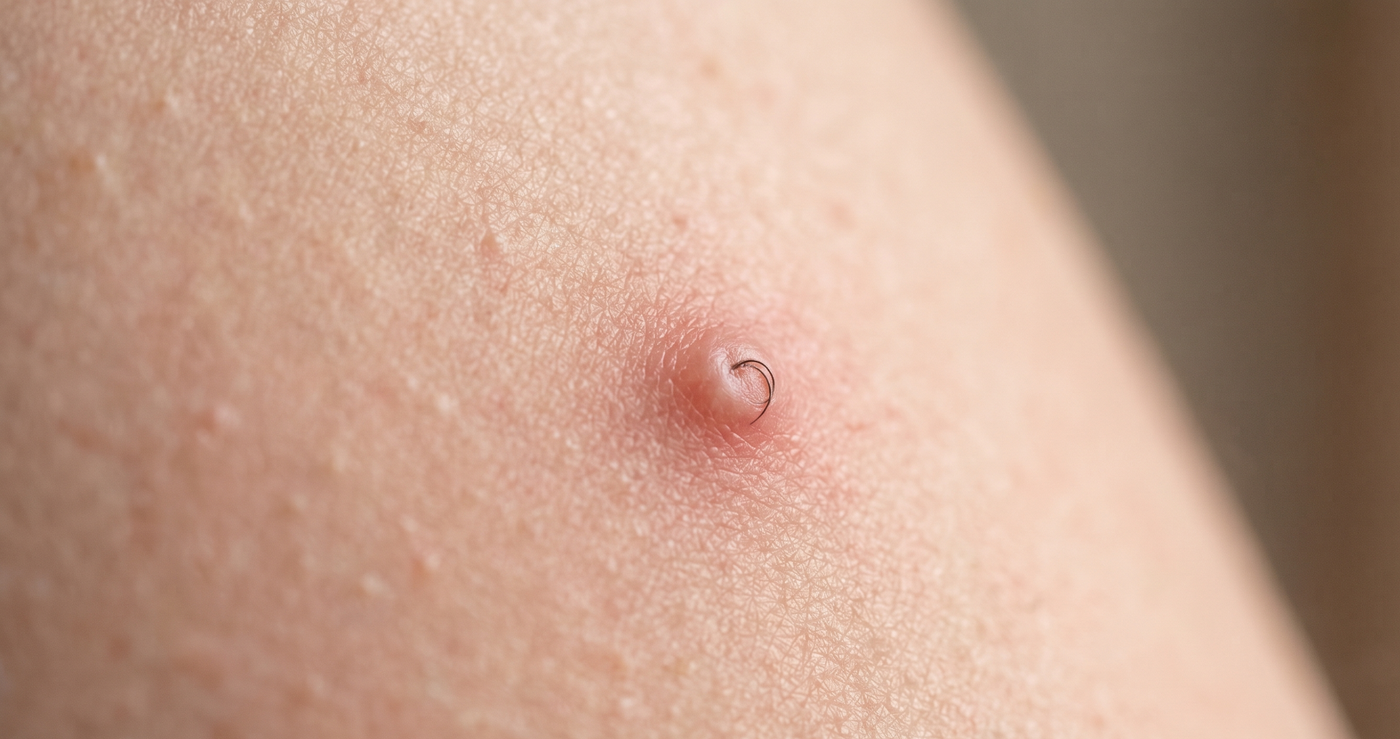
Table of Contents
Introduction Why Ingrowns in the Bikini Area Keep Coming Back What Does Ingrown Hair in the Pubic Area Actually Look Like? What Makes Bikini Line Razor Bumps Worse? What Habits Actually Help Between Removal Sessions? What to Apply for Bikini Line Ingrown Hair Treatment Is the Best Ingrown Hair Treatment for the Pubic Area Different From Other Zones? When Should You See a Doctor? The TakeawayIntroduction
There are women who have completely stopped dealing with painful ingrowns in the bikini area... while so many others are still caught in the same cycle, new razor, same result, no real explanation why.
And none of what you're about to read involves hunting down the perfect razor, or booking another waxing appointment you have to mentally prepare for, or following some ten-step post-shave ritual you saw on a skincare reel at midnight.
Once you understand what this zone actually needs, the next time you shave your skin isn't sore and raised two days later.
The week after that, you're not bracing yourself before checking the mirror. And a month from now, you're wearing whatever you want without a second thought about what's happening underneath the fabric.
It's time to leave the endless serum-swapping and technique-obsessing behind, because ingrown hair in the pubic area is not a technique problem... and it never was.
What makes bikini line razor bumps keep coming back runs deeper than that, and once you understand what's actually going on in this zone, the whole cycle starts to make a lot more sense.
Why Ingrowns in the Bikini Area Keep Coming Back
Most conversations about ingrowns treat every part of the body the same way. Same advice for your legs, your underarms, your bikini line. And that's exactly where the advice falls short.
The bikini zone is operating under conditions that no other part of your body deals with at the same time.
The hair here is coarser and grows at a sharper curl angle than anywhere else, which means it's already predisposed to turning back into the skin rather than growing out cleanly.
The follicles sit inside skin that is constantly compressed by waistbands and underwear, constantly folded when you sit or move, and rubbing against fabric all day long.
Hair removal also happens more frequently here than almost anywhere else, which means the skin rarely gets a full window to recover before it's being worked on again.
You're not dealing with skin that's being uncooperative... you're dealing with an environment that is genuinely stacked against easy healing.

What Does Ingrown Hair in the Pubic Area Actually Look Like?
Not every bump in this area is the same thing, and knowing what you're looking at matters before you decide how to handle it.
An ingrown hair in the pubic area typically shows up as a raised bump that is red or skin-toned, sometimes small and firm, sometimes more swollen depending on how inflamed the follicle is.
You may be able to see a hair curled just beneath the surface, trapped and unable to push through.
The bump is often tender to the touch, and can develop a white tip when inflammation has been building for a few days.
Some ingrowns sit deeper and feel more like a hard, sore knot under the skin with nothing visible on the surface at all.
What's worth paying attention to is the pattern. A bump that clears in a week is one thing.
Bumps returning in the exact same spots cycle after cycle, or bumps that feel increasingly sore rather than settling, are a different story and worth addressing with the right support rather than just waiting out.
What Makes Bikini Line Razor Bumps Worse?
Here is where most routines quietly go sideways. Not because anything dramatic is being done wrong, but because the bikini line has specific aggravators that standard advice never accounts for.
- Shaving against the direction of hair growth on hair that is already coarse and prone to curling back gives it the sharpest possible angle to grow inward. Going with the grain feels less thorough, but your follicles will thank you for it.
- Using a dull or multi-pass razor drags across the same reactive skin multiple times in one session, leaving the follicle opening more vulnerable than before you started.
- Tight synthetic underwear or leggings worn immediately after hair removal traps heat and friction directly against skin that is still inflamed and at its most open. Even an hour of breathing room makes a real difference.
- Picking or pressing on bumps forces bacteria deeper into the follicle and spreads inflammation to the surrounding skin. The bump needs to be left alone, not manually dealt with.
- Heavily fragranced products or alcohol-based toners applied right after removal work against you here. The skin barrier is at its most open post-removal, and both are reliable ways to trigger a reactive response in an already sensitized zone.
- Over-exfoliating on compromised skin strips away what little barrier protection remains rather than clearing blocked follicles the way it's supposed to.
Bikini line razor bumps don't persist because you're not trying hard enough. They persist because the zone has specific needs that most routines are quietly working against.
What Habits Actually Help Between Removal Sessions?
Supporting this zone well is less about adding more steps and more about choosing the right ones at the right time.
- A warm compress before hair removal softens the follicle and prepares the skin. Doing the same right after, before redness builds, helps calm the immediate inflammatory response before it takes hold.
- Gentle exfoliation belongs 48 hours after removal, not immediately before or directly after. The skin needs a short window to close back up before you clear the follicle openings again.
- Loose cotton underwear for at least 24 hours following any removal session gives the skin the breathing room it needs to start recovering properly.
- Allowing ingrowns to resolve on their own rather than picking or squeezing is the fastest path through them. Every time you intervene manually, you extend the timeline and deepen the inflammation.
- Applying a gentle, fragrance-free daily topical to support the skin barrier between sessions means you're not starting from zero every time, and that cumulative effect is what starts breaking the cycle of ingrowns in the bikini area.
What to Apply for Bikini Line Ingrown Hair Treatment
When it comes to bikini ingrown hair treatment, what you skip matters just as much as what you use.
Heavily fragranced body lotions, alcohol-based astringents, and aggressive exfoliating acids are everywhere in standard routines and consistently make this zone more reactive.
The bikini line needs a different category of care... one built around antimicrobial and barrier-supporting ingredients that are gentle enough for daily use on a zone that never fully gets a day off from friction and compression.

Many customers in our community who deal with recurring ingrowns in the bikini area report that Thyme & Tea Tree Flare Care helps calm the skin and support their daily routine between flare-ups. Results vary from person to person.
The formula brings together ingredients that each have a specific job.
- Grapeseed and olive oils nourish and support barrier function in a zone that loses it quickly under daily friction.
- Thyme essential oil delivers targeted antimicrobial support where the follicle is most congested. Tea tree essential oil helps calm inflamed skin around the bump itself.
- Egg yolk extract and beeswax form a protective base layer that holds everything in place without sitting heavily on the skin.
Applied directly morning and night, it works as daily topical support between removal sessions.
For bumps that sit deeper and take longer to settle, the Gauze Method... applying the product directly and covering the area with cotton gauze overnight... is an approach many in the community find supportive for bikini line ingrown hair treatment.
Thyme & Tea Tree Flare Care is for topical, external use on adults 18 and older. Do not use if you are pregnant or breastfeeding.
Do not apply to broken, irritated, or sensitive skin. Avoid sun exposure on applied areas after use. If you have asthma or epilepsy, consult a healthcare professional before use.
Always perform a patch test before first use. If symptoms persist or worsen, consult a healthcare professional.
Is the Best Ingrown Hair Treatment for the Pubic Area Different From Other Zones?
The best ingrown hair treatment for the pubic area is not the same as what works on your legs or underarms, and understanding that distinction is often what finally changes the outcome.
The hair is coarser, the follicle angle is sharper, and the skin spends most of the day compressed in a way no other zone does.
Most standard body products carry fragrance levels or acid concentrations that are simply too aggressive for skin this reactive.
What works on your calves will not automatically translate here. The best ingrown hair treatment for the pubic area isn't the strongest one you can find... it's the one that's actually suited to what this skin is dealing with every single day.
When Should You See a Doctor?
Most ingrowns resolve with consistent and appropriate care, but some signs call for a healthcare professional.
If bumps are not clearing after two to three weeks, if you notice spreading redness, warmth, or swelling, or if there are signs of infection like pus, increasing pain, or fever, get proper medical attention rather than continuing to manage at home.
A recurring pattern of ingrowns returning in the exact same spots cycle after cycle can sometimes point to an underlying skin condition that needs a proper assessment before the right support plan can be built.

The Takeaway
- Ingrowns in the bikini area keep recurring when the real aggravators... friction, wrong products, barrier damage, and picking... go unaddressed
- The bikini line and pubic area operate under conditions no other zone on the body deals with simultaneously, and they need care that reflects that
- Understanding what makes bikini line razor bumps worse is just as important as knowing what helps
- Thyme & Tea Tree Flare Care is a natural topical option many in the MMH community use for daily bikini line ingrown hair support... results vary from person to person
- Always patch test before first use, do not use if you are pregnant or breastfeeding, and consult a healthcare professional if symptoms persist or worsen

