




Published 04 Jun 2026
Itchy Red Bumps on Skin – Potential Causes
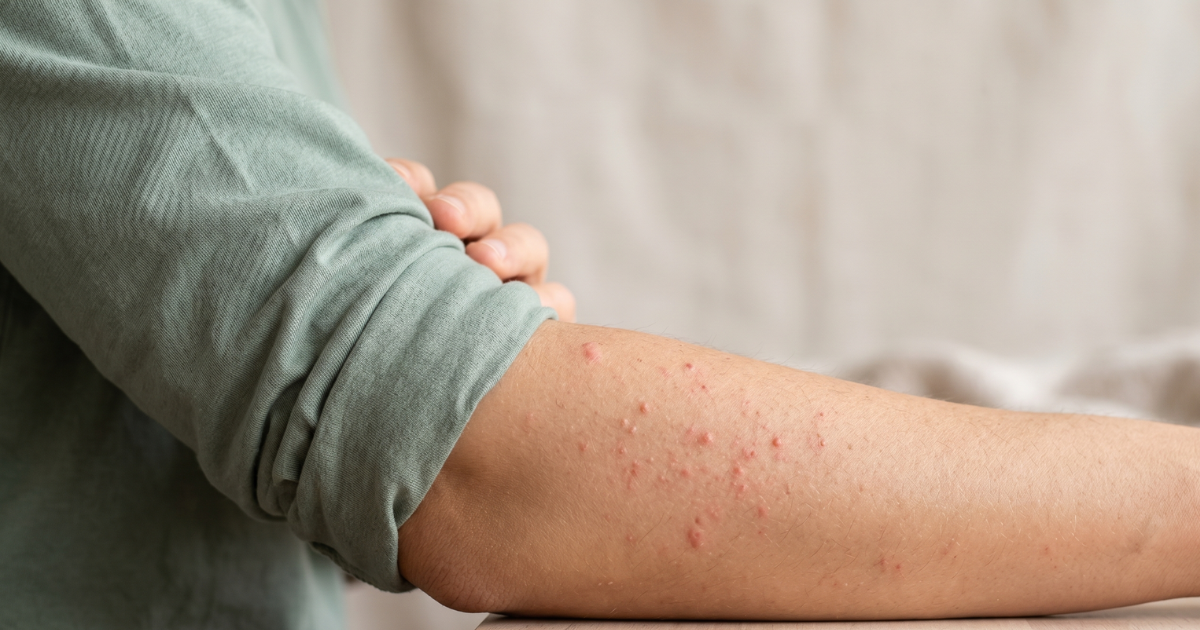
Table of Contents
Introduction What Causes Itchy Red Bumps on the Skin What Folliculitis Looks Like Razor Bumps and Ingrown Hair Bumps After Shaving What Keratosis Pilaris Is (Strawberry Skin and Chicken Skin) Friction Bumps From Thigh Chafing Eczema-Prone Skin and Itchy Irritated Skin How to Tell Your Bumps Apart How to Care for Itchy Red Bumps at Home When to See a Doctor About Itchy Red Bumps The TakeawayIntroduction
Here is what no one tells you about itchy red bumps... the advice you were handed was probably the reason they kept coming back.
You were told to shave closer so the hair would not catch. To scrub harder so the skin would turn over faster. To reach for the exfoliating mitt, the new cream, the soap that promised to sort everything out. You did all of it, and the bumps stayed right where they were.
You know the one. The small raised bump you catch with a fingertip in the shower, the one you keep checking in the mirror to see if it has calmed down yet. Meanwhile the drawer fills up... half a tube of one thing, a roller you used twice, a scrub that did nothing but sting.
So which one is it. That bump is not the same as the rough patch on the back of your arm, and neither is the raw, stinging line where your thighs meet by the end of a warm day.
They look close enough to lump together, and that is the trap. Stay with me, because once you see the difference, you read your own skin in a completely new way.
Picture catching a bump and knowing on sight what it is and what calms it, instead of grabbing whatever is closest. The relief you have been chasing was never one more product to try. It was matching the right care to the right cause. I know what you are thinking, because you have read these lists before... every cause sounded like yours, and none told you what to do next.
Here is the part those lists leave out. It was never that your skin is impossible, and it was never something you did wrong. No one showed you how to tell these bumps apart, so the same blanket fix kept missing.
Irritated skin is not one problem with one answer. Let us walk through what truly causes those bumps, one at a time, so you can match what you see to what helps.
What Causes Itchy Red Bumps on the Skin
Bumps that itch and turn red are your skin raising a flag. The cause might be a blocked follicle, an ingrown hair, a buildup of keratin, plain friction, or a dry, reactive barrier, and each shows up differently. The sections below take them one at a time.
What Folliculitis Looks Like
Folliculitis starts in the hair follicle. When a follicle gets blocked or inflamed, it swells into a small red bump, sometimes with a white tip, and it can itch or sting. You see it where hair grows and skin stays warm and covered, so the legs, underarms, buttocks, and bikini line are common spots.
It is easy to mistake for ordinary spots, but it clusters right around the follicles, which is the tell. Friction, sweat, and shaving feed it, so it turns up after a workout or a fresh shave and returns in the same places once skin is inflamed.
For mild cases on intact skin, our Thyme & Tea Tree Flare Care is built as gentle daily support where the skin is not broken. Keep it to unbroken skin only, away from your eyes, and skip it if you are pregnant or breastfeeding.
Patch test first, and if you have asthma or epilepsy, check with a healthcare professional before using essential oil blends. If a bump opens, weeps, or spreads, hand it to a professional.

Razor Bumps and Ingrown Hair Bumps After Shaving
Shaving cuts the hair at an angle, and that sharp tip can curl back and grow into the skin instead of out of it.
The result is razor bumps... small, tender, sometimes itchy bumps that flare a day or two after the blade, most often on the legs, bikini line, and underarms where you run a razor over curved skin.
Ingrown hair bumps are the same story a step further, where the trapped hair triggers a deeper, angrier bump.
If you get bumps after shaving regularly, the fix is less about shaving closer and more about shaving kinder... a fresh blade, the direction of growth, no dragging over the same patch twice. These bumps settle faster when you stop fighting the skin.
Because freshly shaved skin is reactive, patch test any new product before going over a wide area, and keep it to unbroken skin.
The Thyme & Tea Tree formula fits this post-shave routine on intact skin, and since the blend can make skin more sun-sensitive, keep applied areas out of direct sun.
What Keratosis Pilaris Is (Strawberry Skin and Chicken Skin)
Keratosis pilaris is the rough, bumpy texture on the backs of the arms, the front of the thighs, and sometimes the cheeks.
It happens when keratin, a protein your skin makes, builds up and plugs the follicles, and each plug becomes a tiny bump that together give skin a sandpaper feel.
People call it strawberry skin or chicken skin, and the nicknames fit, since it is rough bumpy skin dotted with little red or skin-toned points.
It is harmless and common, it can flare in dry winter months, and it is not a hygiene problem no matter how it looks. It is stubborn rather than serious.
Harsh scrubbing only leaves skin rough and now also irritated skin. Gentle, consistent moisture does far more.
On intact skin, the Thyme & Tea Tree Flare Care can be part of that calm daily routine, patch tested first and kept to unbroken areas.
Friction Bumps From Thigh Chafing
When skin rubs against skin or fabric over and over, the surface gets hot, raw, and inflamed. That is friction, and the friction bumps it leaves behind show up on the inner thighs, underarms, groin, and under or on the breast, where two surfaces meet and stay damp.
Thigh chafing is the classic version, the stinging after a warm day in a skirt or a long walk. When skin rubbing together traps heat and sweat, chafed skin can break into small itchy red bumps that catch every time you move.
These are friction bumps, not an infection, though raw skin can open the door to one if it stays broken.
For inflamed or broken friction flares, our Universal Flare Care is made to soothe and comfort, and it is gentle enough for open and broken skin on the inner thighs, groin, and underarms.
Patch test first, and if you are allergic to eggs, bee products, poplar tree products, or balsam of Peru, check with a healthcare professional before using it.

Eczema-Prone Skin and Itchy Irritated Skin
Sometimes the bumps are not about hair or friction at all. If you have eczema prone skin, it runs dry, reactive, and easily inflamed, flaring into itchy, red, rough patches that beg to be scratched. The more you scratch, the more the barrier breaks down, and the cycle feeds itself.
It settles in the bends of the body, so the inner elbows, behind the knees, and the neck, and it can flare with stress, weather, or a new detergent.
This is itchy irritated skin at its most relentless, and the answer is not a stronger scrub but a gentler everyday barrier.
Universal Flare Care Essential Oil-Free is the gentle, fragrance-free option made for reactive skin.
It is well tolerated when used as directed, suitable for all ages including babies, and fine during pregnancy and breastfeeding, though not on the breast or nipple right before feeding.
It can be used on broken skin and sensitive areas. Patch test first, flag any bee allergy with your healthcare professional, and for skin this reactive a quick professional check never hurts.

How to Tell Your Bumps Apart
By now the picture is clearer, so here is a quick way to sort what you see:
- Bumps clustered at the hair follicles, often after sweating or shaving, point to inflamed follicles.
- Tender bumps a day or two after the blade, on the legs, bikini line, or underarms, are the shaving kind.
- Rough bumpy skin on the backs of the arms and front of the thighs, more texture than anger, is the keratin kind.
- A raw, stinging patch where skin meets skin on the inner thighs, groin, or under the breast is friction.
- Dry, intensely itchy patches in the bends of the elbows and knees that come and go lean toward eczema.
Location, texture, and whatever set it off are your three best clues, and reading them makes most bumps stop being a mystery.
How to Care for Itchy Red Bumps at Home
Once you know the cause, daily care gets simpler, and the goal is to calm the skin without making things worse.
- Stop over-washing and over-scrubbing, since lukewarm water and a soft touch protect the barrier on irritated skin.
- Keep friction-prone spots dry and cushioned, and let chafed areas breathe when you can.
- Shave with a fresh blade in the direction of growth, and never dry-shave.
- Moisturize eczema prone skin every day, especially after bathing, to keep the barrier strong.
- Match the formula to the cause, so the Thyme & Tea Tree blend for intact hair-related bumps, the Universal Flare Care for inflamed or broken friction flares, and the Essential Oil-Free formula for reactive, easily itchy skin.
Many customers in our community report that a calm, consistent routine brings more comfort than any single quick fix. Results vary from person to person.
Across our community of more than 500,000 customers, the pattern holds... gentler care, matched to the cause, goes further.
When to See a Doctor About Itchy Red Bumps
Most itchy red bumps calm down with patience and gentler care, but some need a professional eye. Reach out to a healthcare professional if a bump spreads quickly, fills with pus, comes with a fever, or will not settle after a couple of weeks of careful care.
Pain that grows, redness that widens, or anything that keeps returning in the same spot is worth getting checked. A quick visit can save you weeks of guessing.
The Takeaway
The bumps were never the mystery you thought they were. Folliculitis, razor bumps, keratosis pilaris, friction, and eczema each leave their own signature, and once you can read it, you stop reaching for the wrong fix.
That is the real shift... not another product on the pile, but the right care matched to the cause in front of you.
Be patient with itchy irritated skin, care for it gently, and give it steady daily support that works with your barrier instead of against it. You can read your own skin now, and that changes everything about what you do next.

