




Published 17 Apr 2026
Impetigo: Effective Remedies and Prevention Tips
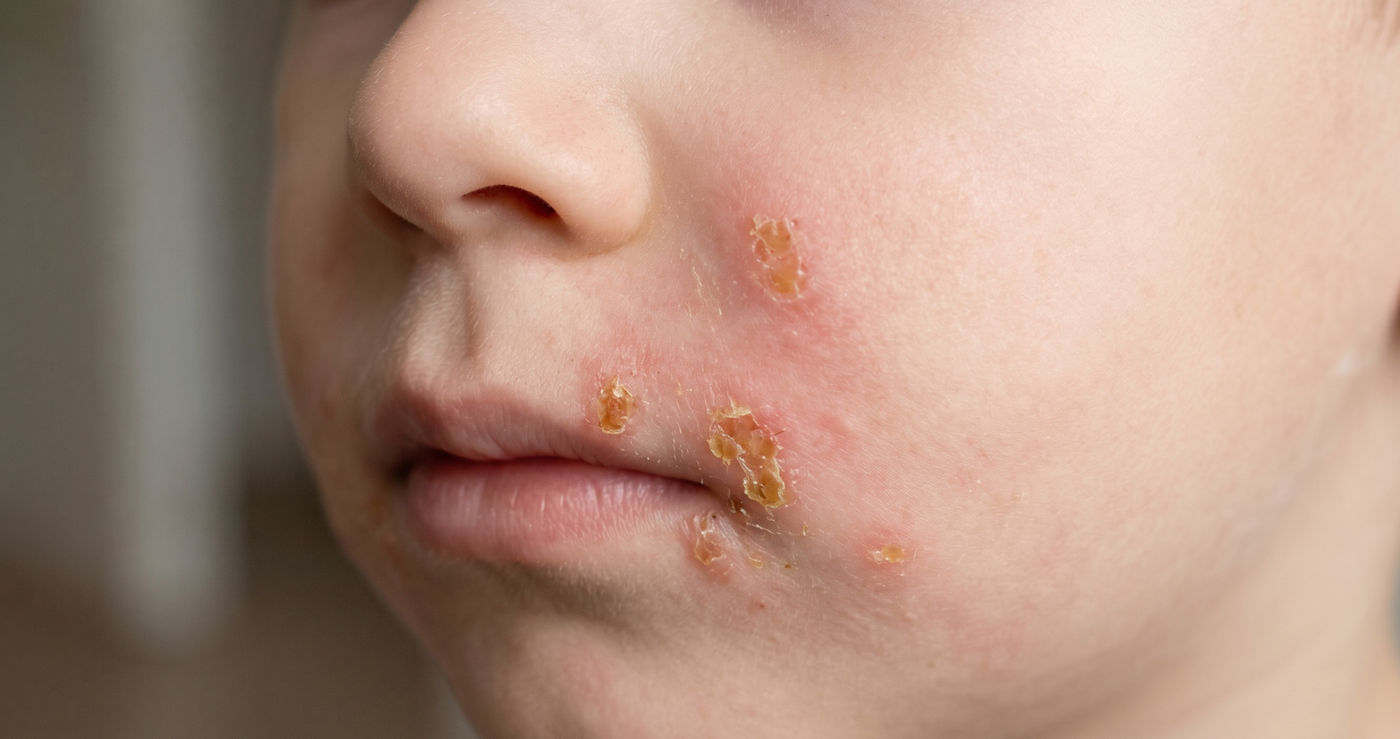
Table of Contents
Introduction What Does Impetigo Look Like? Understanding the Symptoms What Is the Most Common Cause of Impetigo? Types of Impetigo What Are the Best Home Remedies For Impetigo? The Foundation: Proper Hygiene and Care Natural Ingredients That Support Healing How Long Does It Take for Impetigo Scabs to Heal? How to Prevent Impetigo from Spreading A Natural Solution: Universal Flare Care Why This Approach Works The TakeawayIntroduction
If you have impetigo right now, you know how scary those crusty, painful sores can be.
You may have tried to keep the area clean and used antibiotic creams, but you still wonder if there is more you could do. Worrying about giving it to other people or seeing it come back can be tiring.
The truth is that most treatments focus on fighting infection but miss something important: your skin needs help to heal and protect itself from future flares.
A lot of people get angry when their symptoms keep coming back even though they do what their doctor says.
You're not imagining it... there really is more to healing than just killing bacteria. That's where impetigo natural remedies come in.
When you give your body the right ingredients to help it heal, you're not just treating the symptoms; you're also helping your skin build up its defenses.
We're here to help you figure out what works and why.
What Does Impetigo Look Like? Understanding the Symptoms
Impetigo is a bacterial skin infection that show up as red sores or blisters on the face, hands or other exposed areas.
Staphylococcus aureus or Streptococcus pyogenes are bacteria that cause impetigo by entering through breaks in the skin.
These bacteria even though located on our skin surface.. they only cause problems when they find a way past our protective barrier.
If you're wondering… impetigo, what does it look like? Once you spot honey-colored or golden crusty patches that form over red, weeping sores. You're looking at Impetigo.
These crusty spots show up after the blisters burst and leave behind a dried-up look. If you scratch the sores, they can spread quickly.
Impetigo is most common in children ages 2-5... adults can get it too, especially if they have cuts, scrapes or skin conditions like eczema.
People who play contact sports or are in crowded places are more likely to get it. Impetigo is more likely to happen in warm, humid weather because bacteria grow better in these conditions.
And what is HS skin doing when this condition shows up?
Your immune system is overreacting to blocked hair follicles, triggering inflammation that creates painful lumps, abscesses, and sometimes tunnels under your skin. It’s not an infection, even though it can look and feel like one.
Here’s the frustrating part, “what is HS” in dermatology gets misdiagnosed constantly. Doctors mistake it for regular acne, ingrown hairs, boils or even sexually transmitted infections, especially in the early stages when it’s just showing up as isolated bumps. Some people go years without a proper diagnosis because their symptoms get brushed off as “just bad skin” or “you need to lose weight.”
But HS is different. It’s persistent, it comes back in the same locations, and it doesn’t respond to typical acne treatments. Once you know what you’re looking at, the pattern becomes pretty clear.
What Is the Most Common Cause of Impetigo?
The most common cause of impetigo is Staphylococcus aureus bacteria entering your skin through small breaks or injuries.
These breaks can come from cuts, scrapes, insect bites or existing skin conditions like eczema.
The bacteria that normally live harmlessly on your skin surface take advantage of these openings to cause infection underneath.
Types of Impetigo
There are two main types of impetigo you should know about:
- Non-bullous impetigo: The most common type, starting as small red sores that form a cluster and quickly burst and form honey-colored crusts if left untreated. This happens around the nose and mouth most times. This is the most commonly seen form of impetigo.
- Bullous impetigo: Causes larger, fluid-filled blisters that don't burst as easily and can last several days before breaking. More common in babies and young children, appearing on the trunk, arms and legs. This type is almost always caused by Staphylococcus aureus bacteria. When the blisters burst, they leave behind a thin, brownish crust.
What Increases Your Risk?
Understanding what makes someone more likely to get impetigo helps with prevention. The infection needs bacteria and a break in your skin's protective barrier.
Common entry points include:
- Insect bites, small cuts, skin conditions like eczema and irritation from shaving.
- Small scratches on children's hands if they touch their face before washing them.
- Coming in close contact with someone who has impetigo happens.
- Warm, wet places that are good for bacteria to grow.
- Stress or illness when they make your immune system weak.
What Are the Best Home Remedies For Impetigo?

People have started to go for home remedies for impetigo even though antibiotics are the standard medical treatment. The need for something that can help the skin heal up naturally is on the rise.
Over the years certain natural ingredients have been studied for their ability to fight bacteria, reduce inflammation and help skin repair itself so that they can be paired with traditional treatments or help in milder cases.
The Foundation: Proper Hygiene and Care
The foundation of home care for impetigo starts with gentle cleansing.
Wash the affected area with warm water and mild soap 2-3 times daily, being careful not to scrub or irritate the skin.
Pat the area dry with a clean towel each time... never reuse towels as this can spread the infection.
Leaving the sores uncovered when possible allows air to reach them and speeds healing. Fresh air helps dry out the sores and creates an environment less favorable to bacterial growth.
If you need to cover them, use loose, breathable bandages that you change frequently.
Keep your fingernails short and clean so you can avoid spreading it even if you scratch.
Wear mittens for the young ones at night so they won't scratch themselves when the scratching is hardest to control.

Natural Ingredients That Support Healing
When it comes to home remedies for impetigo treatment, some natural ingredients stand out specifically for their healing properties.
These aren't just regular ingredients; years of research show that they help heal skin that is infected and inflamed.
The best natural treatments for impetigo work on more than one level:
- they kill the bacteria,
- reduce inflammation,
- and help your skin heal itself naturally.
Here are four key natural ingredients that have been studied for their healing benefits:
- Propolis: This substance made by bees has strong antibacterial properties that work against the bacteria that cause impetigo. Research shows that it can help fight Staphylococcus aureus, speed up the healing of wounds, and lower inflammation. Modern research backs up what traditional healers have known for a long time: it really helps the body fight off infections.
- Olive oil: High in oleic acid and antioxidants, which help calm irritated skin and make it easier for it to heal. Antioxidants protect healing tissue, and fatty acids help keep skin moist. It also helps other good compounds get deeper into the skin.
- Beeswax: It keeps moisture in without suffocating the skin and acts as a natural barrier. Beeswax is breathable, so it won't hold bacteria against your skin like petroleum-based products do. It makes the best place for healing by keeping you safe but not completely closed off.
- Egg Yolk Extract: Has ingredients that help the skin heal and make more collagen. The proteins and peptides tell your skin cells to divide and fix damaged tissue faster, which speeds up the healing process.
These ingredients work together to help your skin heal from impetigo by controlling infections, reducing inflammation, and repairing the barrier.
That's the way to go if you want to help anyone dealing with impetigo heal for good instead of just treating their symptoms.
When all three ingredients work together, your skin can heal better and protect itself better against infections in the future.
How Long Does It Take for Impetigo Scabs to Heal?
Healing impetigo scabs with the right care usually takes 7 to 10 days, but this depends on how bad the problem is and how soon you started treatment.
First, the sores will stop bleeding and start to get those crusty things on them. The crusts will eventually fall off, showing pink skin underneath that is healing. Picking at scabs can slow down healing, so it's important to take each step.
While your body heals the damage the crusts protect the tissue under your skin . During this time, your immune system works to get rid of any remaining bacteria and make new, healthy skin cells.
It's normal to itch the healing impetigo scabs form a little, but it's important not to scratch.
The scabs may look worse before they look better... that's just part of the process. The golden-yellow color is dried serum and dead bacteria... evidence your body is fighting the infection.
Even after the scabs fall off, you might still see some redness around the healing areas. This is normal and should go away slowly over the next few weeks.
Call your doctor if the redness is spreading, the pain is getting worse, you have a fever, or the sores aren't getting better after a week of treatment.
These could mean that the infection needs more medical help.
How to Prevent Impetigo from Spreading
Basic Hygiene Practices
The best way to avoid getting sick is to wash your hands often and not touch your face. After touching the affected areas, wash your hands well and teach your kids to do the same. Scrub with soap and warm water for at least 20 seconds.
Before meals, after using the bathroom, and after playing outside, make it a habit to wash your hands. These are the times when bacteria move around the most.
Protecting Broken Skin
When you get a cut, bug bite, or scratch, wash it with soap and water right away. Even the tiniest cracks can let bacteria in.
Put antibiotic ointment on the wound and cover it with clean bandages. Change the bandages every day.
Household Precautions
Don't share personal belongings like clothes or towels when you have an active infection. Wash your linens in hot water everyday and wipe down surfaces that you use.
Keep infected children home from school or daycare until sores have healed or they've been on antibiotics for at least 24 hours.
A Natural Solution: Universal Flare Care
If you've been looking for impetigo natural remedies that address more than just the infection, you're not alone.
Many people find that while antibiotics clear the bacteria, their skin still feels vulnerable. That's because complete healing requires three things: infection control, inflammation calming and barrier protection.
How Universal Flare Care Works

Universal Flare Care combines the four natural ingredients we discussed earlier... propolis, olive oil, beeswax and egg yolk extract... in a formula that addresses all three needs.
This surgeon-passed-down recipe has been refined over years of use.
Stage 1: Relieves Discomfort
The egg yolk extract and propolis work together to calm immediate discomfort and start the healing process. Many customers in our community report a reduction in discomfort and tenderness in the days following application.
Stage 2: Calms and Supports Recovery
Propolis brings natural antibacterial properties against Staphylococcus and Streptococcus bacteria... the exact organisms causing impetigo. The egg yolk extract stimulates collagen production, essential for rebuilding skin tissue. You'll notice the weeping stops and sores begin to dry properly.
Stage 3: Protects
Beeswax creates a breathable protective layer that keeps moisture in and irritants out. Olive oil helps beneficial compounds penetrate where needed. The barrier allows air through while blocking bacteria, preventing reinfection.
Why This Approach Works
This three-stage approach has been trusted by over 500,000 people.
The ingredients are clinically studied, 100% natural, and well tolerated when used as directed on open wounds... including for baby skin.
In user surveys, many customers in our community report experiencing calmer, more comfortable skin within just days of use. Results vary from person to person.
They report that infections clear faster and don't come back as often because their skin barrier is stronger afterward.
Safe and Trusted
Universal Flare Care is formulated without essential oils, making it gentle enough for the most sensitive skin. It contains only four ingredients, so you know exactly what you're putting on your skin.
Our Essential Oil-Free formula is gentle and suitable for use during pregnancy and breastfeeding. It is also approved for use on children of all ages.
We always recommend consulting your healthcare provider and performing a patch test before first use.
Because it's 100% natural, you don't have to worry about building up antibiotic resistance and it comes with a 30-day money-back guarantee.
Learn more about the Universal Flare Care here.
The Takeaway
It can be hard to deal with impetigo... but knowing which home remedies for impetigo is available can help you feel more in control.
Whether you're using conventional treatments, natural approaches, or a combination of both, the key is supporting your skin's complete healing process... not just fighting infection.
Your skin can heal very quickly if you give it the right help.
You can get through this and have healthier, stronger skin if you take care of it, use natural ingredients that work with your body, and be patient with the healing process.
We're here to help you along the way. You can get better, and you don't have to do it alone.

