




Published 04 Jun 2026
Busting the Myths of Folliculitis: A Guide to Smooth Skin this Summer
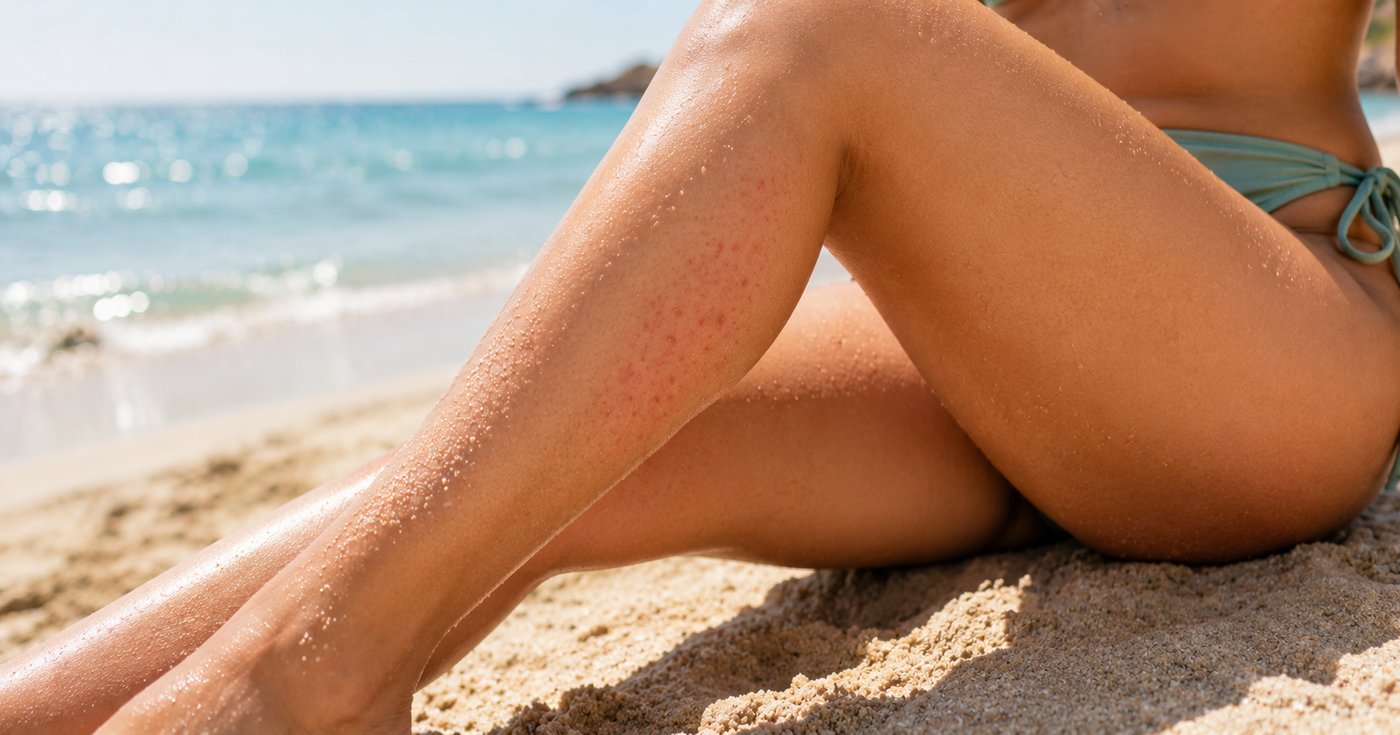
Table of Contents
Introduction What folliculitis bumps really involve on your body The common myths about folliculitis you can let go of Why summer folliculitis gets worse with heat and sweat The types of folliculitis bumps you might be seeing Where folliculitis tends to show up on women's bodies How to ease itchy red bumps and irritated skin daily How daily skin support helps during a flare-up When to talk to a healthcare professional about persistent bumps The TakeawayIntroduction
Every warm season, the same bumps come back to the same legs, shoulders, and bikini line, and most women call them by every name except the right one.
You might say razor bumps, summer rash, heat acne, or body breakouts. The real name is folliculitis, and what you keep brushing off as a surface skin issue is a follicle event that returns on a schedule.
You probably tell yourself the bumps will calm down once cooler months come back, and they usually do.
They also return just as reliably the next year. These bumps look surface-level because you can see them, but what's happening at the surface isn't the whole story.
The follicle underneath is irritated, and the shave and swimsuit you blame are only part of what's setting it off.
If you want to know whether what you're seeing fits the pattern, a few signs show up almost every time:
- Itchy red bumps that pop up within a day or two after you shave your legs
- Spots that look like acne but show up on your arms, thighs, or back instead of your face
- Tender, sore spots near hair follicles around the bikini line, shoulders, or buttocks
- Flares that worsen after sweating, swimming, or sitting in workout clothes
If even one of those found you, sit with this for a second. The thing nobody tells you is that summer folliculitis isn't a hygiene problem.
The follicles you've had your whole life respond to a specific set of triggers, and warm months stack them higher than any other time of year.
You probably remember the trip you stayed in your cover-up, the wedding where you wore the long dress in August because the short one would have shown your arms, or the photo from last July buried in a folder you don't open.
And then there's the other part.
There's the friend at the pool who asked if you'd been bitten, the coworker whose eyes dropped to your shoulder in a meeting and quickly back up, the photo someone tagged you in that you untagged within the hour. The bumps are yours, but the noticing isn't.
Here is the part nobody's told you yet.
The shorts can come back out, the sleeves can stay rolled, the photo from this summer can stay tagged. The change comes from understanding what these bumps are, what most people get wrong, and which daily habits move the needle.
The rest of this article covers those misconceptions, what's going on at the follicle, and a calmer path through.
What folliculitis bumps really involve on your body
What you're looking at is a hair follicle in distress. When the small pocket your hair grows out of becomes inflamed or infected, the result on the surface is red bumps on skin that itch, sting, or feel tender.
The bumps often have a hair sitting right in the middle. Some itch more than they hurt, others feel tender, and a few look like small whiteheads.
These come from inflamed hair follicles, and the distinction matters. A pimple is a clogged pore. These are something else, and the routine that helps one won't help the other.
The common myths about folliculitis you can let go of
Most of what gets blamed for these bumps misses the real story, and the wrong story leads to the wrong routine.
Here are five of the most common myths and the truth:
- Myth: It's just razor bumps. Truth: Razor bumps are ingrown hairs near the surface. The follicle issue underneath runs deeper and needs different daily care.
- Myth: It's body acne. Truth: Acne comes from clogged pores and a different bacteria. This one is about the follicle, and a face-acne routine often makes flares worse.
- Myth: It means you're not clean enough. Truth: Anyone gets these bumps no matter how often they shower. Over-washing can even break down your skin barrier and make flares more likely.
- Myth: It will go away on its own when the weather cools. Truth: The same bumps come back the next warm season because the trigger is still there.
- Myth: Popping the bumps clears them faster. Truth: Squeezing pushes the irritation deeper, can spread it to nearby follicles, and raises the risk of scarring.
Why summer folliculitis gets worse with heat and sweat
Warm months stack triggers on the follicle at once. Heat softens your skin, sweat sits in your creases, swimsuits trap moisture against the bikini line, leggings rub the thighs, and shaving in the shower happens right before all of this kicks in.
What you end up with is inflamed hair follicles in places that don't flare in cooler months. Shoulders covered all winter are bare in tank tops.
Legs that get a weekly shave in February need one every other day in July. Each shave, sweat session, and chlorinated dip adds up over weeks.
This is why the bumps get worse the deeper you go into July and August, even if your hygiene hasn't changed. The triggers didn't change, only the volume.
The types of folliculitis bumps you might be seeing
Not every flare looks the same because not every flare starts the same way. Knowing which type you're facing shapes the daily routine that helps most.
The hot tub kind comes from Pseudomonas bacteria thriving in warm water with off-balance chemistry. It shows up a day or two after a hot tub, heated pool, or water slide, in itchy patches where your swimsuit sat.
Razor bumps, sometimes called pseudofolliculitis barbae, come from hairs curling back into the skin after a close shave. It isn't a true infection, but the inflammation looks similar.
The fungal kind, also called Pityrosporum or Malassezia, comes from a yeast that lives on your skin. Sweat and heat help it spread, and a regular acne routine makes it worse.
The bacterial kind is the classic one, often involving staph. It shows up where there's been a small cut, a fresh shave, or trapped sweat, and infected hair follicles take longer to settle.
Where folliculitis tends to show up on women's bodies
These bumps can pop up anywhere you have hair, and on a woman's body they tend to land in specific places. The lower legs take the brunt of frequent shaving.
The thighs catch friction from leggings, shorts, and long days of sitting. The bikini line gets hit by both shaving and the heat that builds under tighter clothing.
The underarms, back of the neck, shoulders, upper back, and buttocks see their share of body bumps too, mostly from trapped sweat, pressure, or clothing rubbing.
You'll often feel painful bumps before you spot them, especially in places you don't see without trying.
How to ease itchy red bumps and irritated skin daily
Daily habits decide whether the follicle calms down between flares or stays in a loop. The list is short on purpose because the routine matters more than the number of products.
- Switch to loose, breathable fabric in the heat... cotton, linen, anything that lets air move through
- Shave with the grain using a fresh blade, never against, and skip any spot already inflamed
- Rinse off sweat as soon as a workout ends, before it dries on your skin
- Skip heavy oils and pore-blocking creams on the spots that flare most
- Keep your hands off the bumps... no picking, no popping, no squeezing, even when one looks ready
- Wash workout clothes after every wear, including the ones that "still look fine"
These choices add up across a week. The red bumps on skin hanging around might not vanish overnight, but the loop replaying them starts to slow.

How daily skin support helps during a flare-up
When the follicle is already inflamed, the routine needs to lean toward calm-down support, not aggression. What you put on irritated skin during a flare either soothes the area or adds to the problem.
This is where Thyme & Tea Tree Flare Care, the Green Jar from MyMagicHealer, fits into the routine.
Built as daily skin support for adults with irritation-prone and bump-prone skin, it's a topical formula for external use only, with a simple plant-based formula designed for everyday skin comfort. You can find the full breakdown on the product page.
Before bringing it into your routine, keep a few things in mind. Patch test on a small area before applying widely, especially during a flare-up.
Skip broken skin and open wounds, which need different care. Limit sun exposure where you've applied the product, or cover those spots outdoors. It's not for use during pregnancy or breastfeeding.
Many customers in our community report that consistent use feels calming. Results vary from person to person.
When to talk to a healthcare professional about persistent bumps
Most flares ease with the right daily habits and a calm routine. But some signs mean it's time for a professional.
Reach out to a healthcare professional if any of these show up:
- Bumps that haven't eased after two weeks of careful daily care
- A fever paired with the rash
- Spreading redness that extends past the original cluster
- A large painful lump, or several connected lumps, in the area
- The same spot getting hit over and over
- Scarring or color change starting to form
Your healthcare professional can rule out lookalike conditions, run a culture if needed, and guide what comes next. Persistent bumps deserve a real answer.

The Takeaway
These bumps aren't a personal failing or a hygiene problem. The follicle is reacting to a stack of triggers that pile up in warm months, which is why the same conversation with the mirror tends to repeat every year.
The myths are what keep that cycle running. Once the real picture comes into view, what these bumps are, what makes them flare, what daily routine helps... the loop starts to loosen.
A daily routine that respects what the follicle needs, the right clothing and shaving choices for warm weather, and a call to a healthcare professional when something doesn't resolve... that's the path through. Summer doesn't have to look the same as it always has.

